01
Important decisions wait for founder involvement.
Important choices stall until the founder is available. The organization cannot move at the speed the business requires.
As organizations grow, complexity increases. Priorities multiply. Accountability becomes harder to maintain. More decisions flow back to the founder.
And the challenge remains: building the structure required to move those ideas forward.
As companies scale, the nature of leadership changes. What worked at 10 people quietly breaks at 50.
Informal communication and founder oversight eventually break down. The operating system that got you here won't get you there.
01
Important choices stall until the founder is available. The organization cannot move at the speed the business requires.
02
Without a system to maintain momentum, work loses direction when founder attention shifts elsewhere.
03
Commitments rely on individual reminders instead of shared expectations and dependable routines.
04
Every new client, hire, and initiative adds weight to the founder instead of building organizational capacity.
The real issue is the absence of an operating layer that connects priorities, accountability, visibility, and execution without requiring the founder to hold it all together.
Most growing companies do not need a full-time COO. They need alignment, accountability, visibility, and execution built into how they operate.
Establish what matters most and keep the organization focused as conditions change.
Replace ad-hoc communication with leadership rhythms that create accountability and follow-through.
Give leaders insight into priorities, progress, and risks without requiring the founder in every room.
Make commitments dependable through clear ownership and shared routines.
Build a company that can progress without constant founder intervention.
The goal is not more process. It is helping organizations move forward with greater consistency and less dependence on any single individual.
Organizations become stronger when accountability is built into the system rather than carried by individuals.
Progress is created by decisions, accountability, and follow-through.
Leaders make better choices when priorities, risks, commitments, and performance are visible.
Many growing companies don't have a strategy problem. They have an execution problem.
As organizations grow, complexity increases. Priorities compete for attention. Accountability becomes harder to maintain. Critical decisions begin flowing back to the founder, not because leaders lack capability, but because the operating structure hasn't evolved with the business.
I've spent my career helping organizations create clarity, alignment, accountability, and structure. Not through theory alone, but through the day-to-day work of leadership, planning, governance, organizational effectiveness, business operations, and execution.
Over time, I noticed a common pattern.
Founders were carrying more than they should. Projects required constant intervention. Decisions became centralized. Growth created additional complexity rather than additional capacity.
That's why I created Stratiix.
The Executive Operations Office was designed to help growing companies build the operating layer that sits between vision and execution. The structure that helps priorities remain visible, decisions move forward, accountability become consistent, and leadership teams operate more effectively.
At its core, Stratiix is built on a simple belief:
Growth should create capacity, not dependency.
Thank you for taking the time to learn about Stratiix.
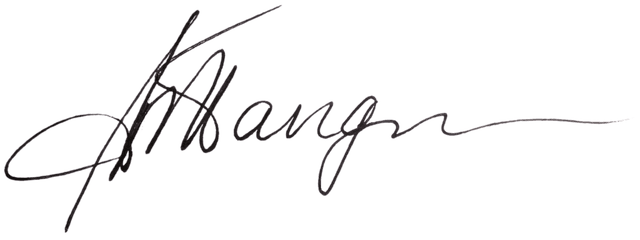
Andrea M. Tanguay
Founder, Stratiix
Let's discuss where founder dependency may be slowing growth and how an Executive Operations Office can help your organization move forward.